Beachfront RV Camping: What to Know Before You Go

There’s a specific sound that beachfront RVers get addicted to: the low, steady hush of surf through a cracked window at 6 a.m., long before the coffee finishes brewing. Once you’ve slept to that, an inland parking-lot campground never quite hits the same again.
But beachfront RV camping isn’t just regular camping with a better view. Salt air corrodes, sand migrates, wind shifts, humidity climbs, and shoulder-season weather can turn on you between lunch and dinner.
This guide covers what actually matters: choosing the right site, prepping your rig for salt and sand, packing gear that earns its storage space, timing your trip, and settling into the rhythm of waterfront life.
How Coastal Conditions Affect Your RV
How to Protect Your RV From Salt Air
Salt-laden air doesn’t wait for a storm. It settles on your rig continuously, working into hinges, step mechanisms, awning arms, and any exposed metal.
Nothing dramatic happens in a weekend. But over a multi-week stay, unprotected chrome and bare metal will show it.
The fix is boring and effective: rinse the exterior every few days, focus on the undercarriage and the road-facing panels, and wipe down door hardware with a lightly oiled rag before you leave.
Awning Safety and Coastal Wind
Coastal wind is more consistent than inland wind, and it tends to pick up in the afternoon as land heats faster than water.
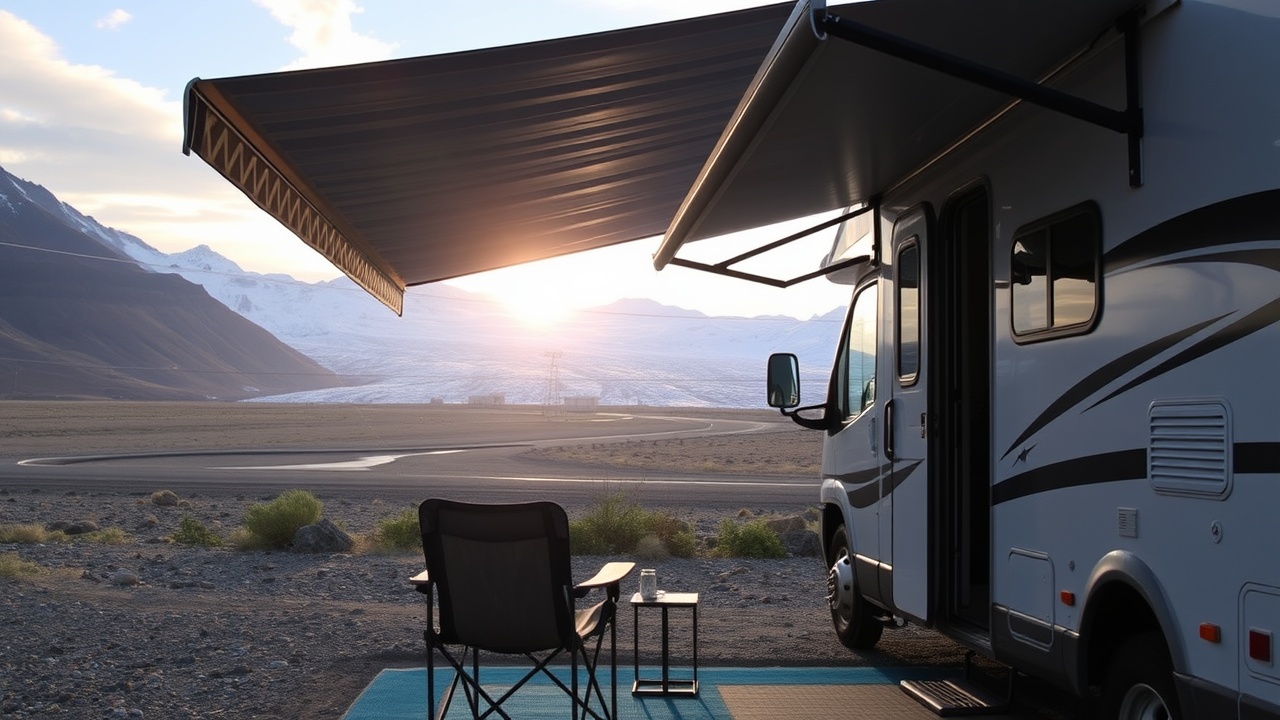
That matters most for awnings. Most manufacturers recommend retracting at sustained winds above roughly 20 mph, and beachfront gusts can exceed that quickly.
Our house rule for guests: if you’re leaving the site for more than an hour, roll the awning in. It takes fifteen seconds and saves a repair bill.
Managing Humidity Inside Your RV
Coastal humidity means condensation on windows, damp towels that never fully dry, and musty storage bays if you’re not paying attention.
Run your roof vent fan on low even when the A/C is on. Toss a couple of moisture absorbers in closets and under the dinette.
How to Choose the Best Beachfront RV Site
.jpg)
How do you choose a beachfront RV site? Match the site row to your travel style. Front-row sites offer open views and steady breeze. Second-row sites give better wind protection and privacy for families and pets. Pull-through sites suit long rigs and after-dark arrivals. Always confirm hookup side and pad surface before booking.
Here’s how that breaks down in practice.
Front-row waterfront sites give you unobstructed views and the strongest breeze. Ideal for couples, photographers, and anyone who plans to spend most of the day outdoors.
Second-row sites trade a bit of view for noticeably more wind protection and often a little more privacy. Families with young kids and pets frequently prefer these.
Pull-through sites are worth requesting if you’re driving a Class A with a toad, or if you’re arriving after dark. Backing a 40-footer into a tight coastal site at 9 p.m. with an ocean breeze pushing you sideways is a character-building experience you can simply skip.
RV Prep Checklist for a Coastal Trip
Two Weeks Before You Roll
Inspect roof seals and window seams. Coastal rain arrives sideways and finds every gap. A tube of self-leveling lap sealant is cheap insurance.
Service your A/C. Clean or replace the filters. Humid air makes an underperforming unit obvious fast.
Check tire pressure cold, not warm. Underinflated tires plus hot pavement plus a heavy rig is the most common roadside failure we see.
Test your surge protector. Coastal parks deal with more storm-related power fluctuation than inland ones.
The Week Of
Wax any painted exterior surfaces if you’re staying longer than a week — it gives salt something to sit on besides your clear coat.Pack a small bottle of white vinegar. It removes hard-water and salt spots from glass and fiberglass better than most commercial sprays.
Your First Hour On-Site
Level first, then hook up. Doing it in reverse puts strain on your sewer connection.
Set your sewer hose with a consistent downhill slope using a hose support. Sagging hoses cause the exact problem you’re imagining.
Take one photo of your pedestal connection before you plug in. If anything looks scorched or cracked, that photo makes the conversation with the office much faster.
Essential Gear for Beach RV Camping
RV storage is finite and sacred. Here’s what genuinely pays for its cubic footage:
An outdoor rug with a rubber-backed edge. Catches sand before it enters. Single highest-impact item on this list.
A collapsible foot-rinse tub. Fill it, park it at the bottom of your steps, and your floors will thank you.
A wind-rated awning anchor kit. Stakes plus tensioners. Not optional on the coast.
Microfiber towels in bulk. They dry faster than cotton in humid air, which is the whole point.
A rechargeable handheld vacuum. Sand is a daily maintenance item, not a weekly one.
UV-rated hose and cord covers. Coastal sun degrades exposed rubber and vinyl faster than you’d expect.
A cheap folding wagon. For hauling chairs, coolers, and kids toward the water without four separate trips.
Skip the elaborate outdoor kitchen setup unless you already love it. Wind, sand, and open-flame cooking make for a frustrating combination, and most beachfront cooking ends up happening on a simple griddle under the awning anyway.
Best Time of Year for Oceanfront RV Camping
Summer
Peak everything: warmest water, longest days, fullest campgrounds. Book several months ahead for waterfront sites, and expect a lively, social atmosphere around the pool and clubhouse.
Best beach hours are before 11 a.m. and after 4 p.m. Midday is for the pool, a nap, or the air-conditioned clubhouse.
Spring and Fall — The Insider’s Pick
Ask any long-term coastal RVer and they’ll tell you shoulder season is the real prize. Mild temperatures, thinner crowds, easier reservations, and often better rates.
Pack layers. Coastal evenings in spring and fall drop faster than the daytime temperature suggests.
Winter
Depending on latitude, winter coastal camping ranges from “pleasant sweater weather” to “genuinely warm.” What it reliably offers is quiet.
If you’re a remote worker or a snowbird, this is the season for long stays and uninterrupted focus.
Sample First-Day Arrival Timeline
Here’s how a smooth arrival typically goes:
2:00 p.m. — Check in, grab your site map and gate code, ask which direction the wind’s been running.
2:30 p.m. — Level, chock, connect power (surge protector first), then water with a pressure regulator, then sewer.
3:15 p.m. — Deploy the awning with anchors, roll out the rug, set up chairs facing the water.
4:00 p.m. — First beach walk. Scout the closest access point and note where the tide line sits.
6:30 p.m. — Griddle dinner under the awning while the wind eases off.
8:00 p.m. — Sit outside. Do nothing. That’s the itinerary.
Plan Your Beachfront RV Trip
Beachfront RV camping rewards preparation more than most travel does. Handle the salt, respect the wind, manage the sand, and choose a site that fits how you actually spend your days — and the rest takes care of itself.
The payoff is a version of RV life that’s hard to replicate anywhere else: water on one side, full hookups on the other, and no reason to be anywhere in particular.
If that sounds like the trip you’ve been putting off, RV Riptide Resort has waterfront and second-row sites with full hookups, resort-wide Wi-Fi, a pool and clubhouse, and a pet-friendly setup that welcomes the whole crew. Take a look at our availability calendar and find a stretch of dates that works — we’ll help you pick the right site when you get here.
Frequently Asked Questions
How do you protect an RV from salt air? Rinse the exterior every few days with fresh water, focusing on the undercarriage and road-facing panels. Wipe metal hardware with a lightly oiled rag, and wax painted surfaces before stays longer than one week.
What is the best time of year for beachfront RV camping? Spring and fall offer the best balance of mild temperatures, thinner crowds, easier reservations, and lower rates. Summer brings the warmest water but requires booking waterfront sites months in advance.
Is beachfront RV camping safe for dogs? It is, with precautions. Walk dogs early or late to avoid hot sand, bring a collapsible water bowl to prevent saltwater ingestion, and rinse paws and belly after beach time to avoid salt irritation.